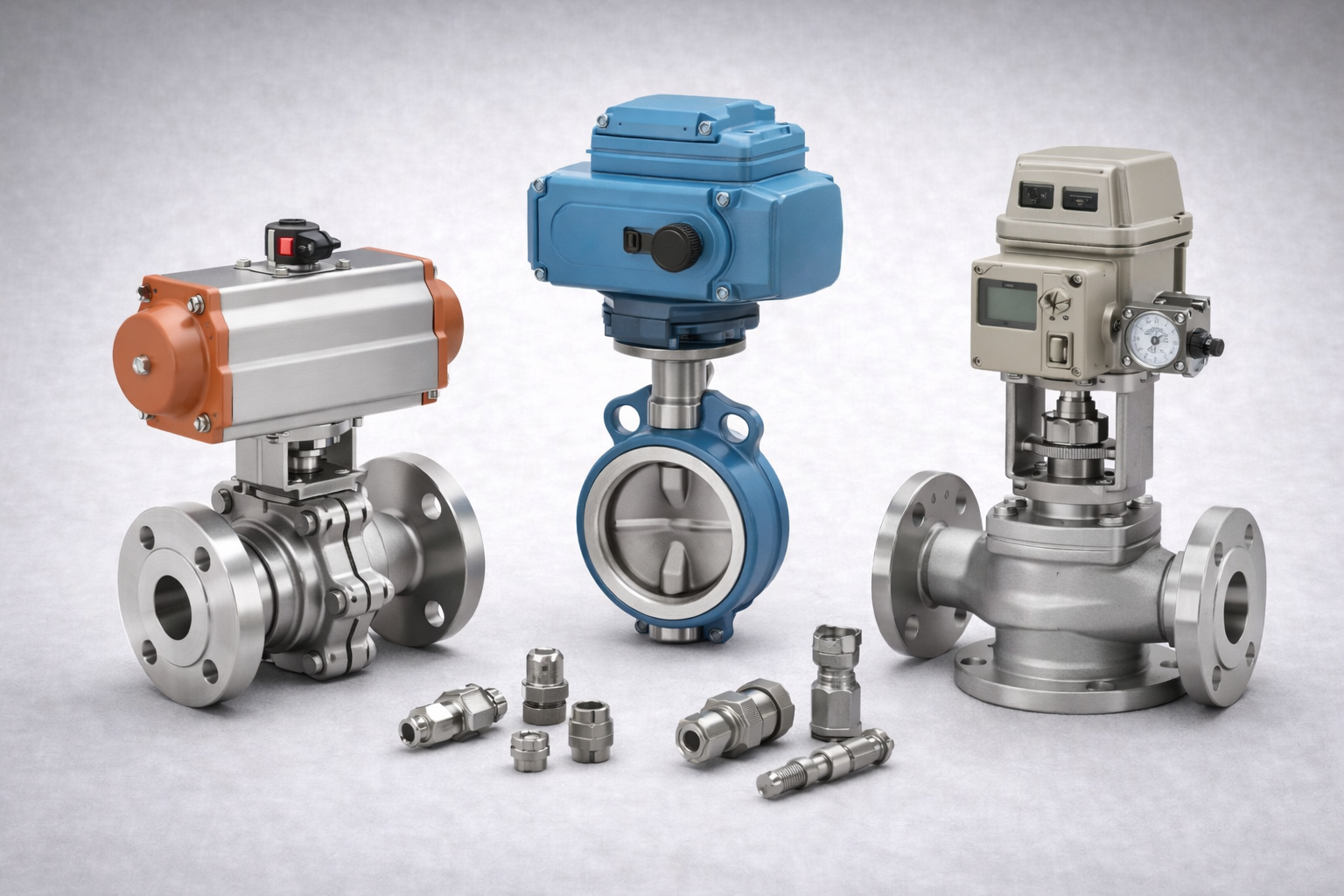
Choosing the Right Channel Partner
Choosing the Right Channel Partner: How to Choose the Right Sales Agent or Distributor for Your Industrial Products
Article content
How to Choose the Right Sales Agent or Distributor for Your Industrial Products
Finding a good export partner is like choosing a new colleague you never see in the office. They represent your brand, negotiate with your customers and influence your pricing – often thousands of kilometers away.
For industrial products, the quality of your sales agent, distributor or manufacturer’s rep is often the difference between a sleeping territory and a growing export market.
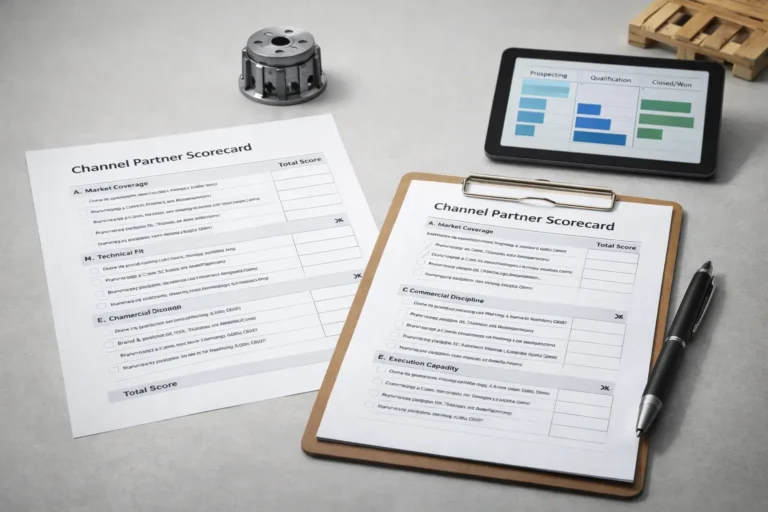
Here is a practical checklist to help you select the right partner.
1. Customer base and coverage
The first question is simple: “Who do you visit every week?”
A strong industrial partner should:
- already sell to OEMs, end-users or integrators that match your target segment
- be able to show a real customer list, not just a brochure
- demonstrate activity: number of visits, quotes and orders in the last 12–24 months
Red flag: partners who say “we can sell to everybody” but cannot name five concrete accounts in your core segment.
2. Portfolio fit – complementary, not competing
Your product line should fit naturally into their portfolio:
- Similar or adjacent technologies (pumps with valves, filtration with instrumentation, etc.)
- Comparable price level and quality positioning
- No direct conflicts: they should not represent a direct competitor unless you agree on a clear differentiation.
Ask them to map which of their existing lines your products would sit next to in the customer visit. That reveals quickly whether it is a logical fit.
3. Technical competence and after-sales attitude
Industrial customers buy risk reduction. Your partner must:
- understand basic sizing and selection of your products
- be able to discuss process conditions, media, pressure, temperature, standards
- know when to say “I’ll check with the factory” instead of guessing
- have a professional attitude to commissioning, troubleshooting and spare parts
Ask for examples of technical problems they solved in the last year. Real stories tell you more than any presentation.
4. Market reputation and references
Good partners are known in the market. Check:
- references from suppliers they already represent
- how long those relationships have lasted
- whether they are mentioned by major OEMs or end-users as a regular contact
- basic creditworthiness and financial stability
Short-term, opportunistic traders with constantly changing product lines are rarely good partners for engineered industrial products.
5. Organization and focus
Even the best person cannot handle too many lines. Review:
- how large their sales team is
- how often they realistically can promote your line
- whether they have inside sales, order handling and logistics that can cope with industrial orders and spare parts
Agree early on focus and expectations: number of visits, joint calls, first-year sales target, inventory policy.
6. Territory, exclusivity and performance clauses
Many disputes come from unclear agreements. Your contract should address:
- Territory definition – by country, region or customer type
- Exclusivity conditions – when and how exclusivity is granted and can be withdrawn
- Performance benchmarks – not only sales figures, but also activities (leads, quotes, visits, trainings)
- Handling of key accounts that may be served directly by you
Clear, written expectations protect both parties and make cooperation easier.
7. Cultural fit and communication
You do not need to become best friends, but you must be able to work together:
- regular, honest communication about successes and problems
- realistic forecasting, not just optimistic promises
- respect for each other’s role: they own the local relationship; you own the product and brand
A short trial period with regular review meetings often reveals more than long negotiations.
How REVROK™ helps in this process
REVROK™ pre-screens industrial sales agents, distributors and reps on exactly these points:
customer base, portfolio fit, technical competence and market reputation. That saves suppliers time and reduces the risk of dead territories or brand damage.
When you evaluate partners – through REVROK or your own network – keep this checklist next to you. It will help you separate genuine long-term channel partners from those simply looking for one more logo on their website.
Interested in supplying to, or representing products from, the REVROK™ Network?
If you manufacture complementary industrial products in any of the above categories, or you are an experienced industrial sales agent, distributor or manufacturer’s rep, REVROK™ can help you turn that expertise into new export business.
Suppliers
For Manufacturers, OEMs & Stockholders
You produce quality components or systems that deserve a larger international market. REVROK™ helps you package, position and promote export-ready product lines and connect them with strong local channel partners.
Resellers
For Sales Agents, Distributors & Reps
You know your territory and customers. REVROK™ brings you curated product lines that fit your market, helping you grow margins and strengthen long-term relationships with industrial end users and OEMs.